











Superyacht Ownership: Conversations that Count Episode 2 – Sailing With Style
Welcome to Conversations That Count, the podcast where Victoria Blackburn, Director at JTC Private Office, brings you honest, thought-provoking perspectives on global wealth stewardship.
Each episode is a front-row seat to insightful chats with industry experts, academic minds and seasoned professionals. Get the real story, from family governance and succession planning, to next-generation education, luxury asset management, and global relocation, helping family offices navigate complexity with practical insights.
Episode Two: Sailing with Style – Superyacht Ownership, Chartering Trends and the Burgess Yachts Perspective
Victoria Blackburn is joined by Ryan Green, Head of Yacht Management at Burgess Yachts.
In this episode, the pair dive into the world of superyacht ownership, exploring the latest client trends in yacht chartering and ownership, as well as unravelling some surprising misconceptions. Whether you’re contemplating a first superyacht purchase, have owned one for years, or advise clients on luxury asset management, this podcast is for you.
What This Episode Covers: Superyacht Ownership, Chartering and Buying Advice
- What’s changing in superyacht ownership and what are the top buyer requirements?
- The role of governance – are clients demanding more?
- What’s fuelling the growth in the US for partnering with reputable brands with a strong track record and international reach?
- Are there any really unusual or memorable requests from your clients for either their yacht charter or purchase, or both?
- In your view, what’s the best piece of advice for a potential client embarking on their first superyacht purchase?
- Quick fire questions – fast, fun questions to get to know our guest on a personal note
Meet our Host and Guest
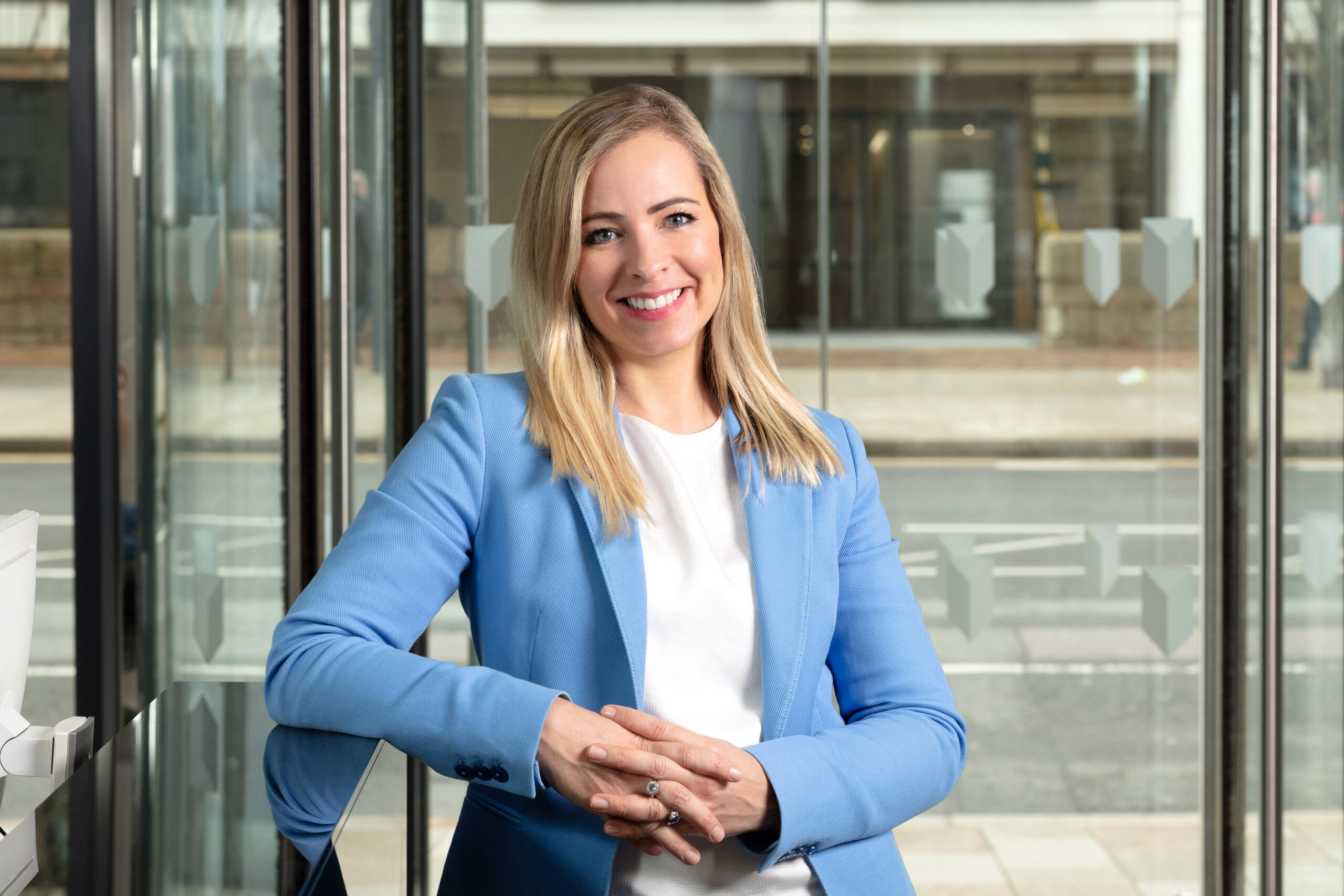
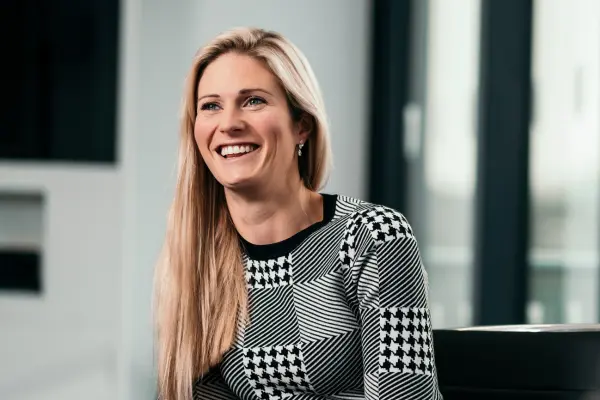
Victoria Blackburn – Host
Victoria returned to JTC in 2018 to contribute to the development of the Private Office, bringing with her over 17 years of experience in UHNW wealth management and private client services. Throughout her career, she has provided expert guidance to UHNW and HNW individuals, as well as both large and boutique family offices. She has lived and worked in the UK, Jersey and Luxembourg, giving her a broad international perspective. Victoria is widely regarded as a true facilitator and delivers solutions for clients even in the most complex and challenging scenarios. Her coordination skills and her capability to execute within tight deadlines are highly valued by both colleagues and clients. Victoria maintains a diverse network and sees potential where others may see only the intangible, establishing her reputation as a genuine visionary.
She is a trusted advisor whom clients consistently turn to for guidance across a broad range of matters. Victoria is a specialist in the luxury asset management space, with a particular emphasis on the Marine and Aviation sectors. She often provides guidance and support with large, multifaceted projects, including the acquisition and disposal of high-value assets and helps clients navigate the complexities of superyacht ownership and operation. She is also currently focused on growing the Private Office’s Next Generation Education offering.
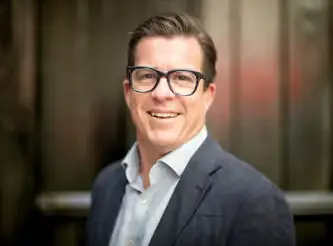
Ryan Green – Guest
Ryan is an experienced career mariner who, after more than a decade at sea as a captain on both private and charter superyachts, came ashore in 2013 to join Burgess in the London office. Today, he is a Senior Partner and Head of Yacht Management.
Born and raised on South Africa’s coast, Ryan’s professional journey began underwater as a research assistant conducting coral reef biodiversity studies. He later worked as a professional ranger on a private game reserve where he gained formative experience in the ultra-high-net-worth service industry. His deep affinity with the ocean led him to New Zealand, where he worked in the dive industry before setting sail across the South Pacific, navigating the waters of Fiji, Tonga, Vanuatu and New Caledonia. In 2000, he started working on superyachts wherein he worked his way up to the role of captain.
At Burgess, Ryan oversees all aspects of yacht management, from compliance and regulatory advice to financial reporting, crew management, superyacht asset valuation and operational logistics. His deep understanding of life on board allows him to anticipate challenges and deliver solutions that work in real time.
Frequently asked questions
First-time buyers should work with experienced advisors who understand both the operational demands and luxury asset management considerations. This episode features direct superyacht ownership advice from Ryan Green, Head of Yacht Management at Burgess Yachts.
Superyacht chartering allows clients to experience yacht life before committing to purchase. It is often a stepping stone toward full superyacht ownership, and charter revenue can also offset the costs of owning a vessel.
Yacht management firms handle compliance, crew management, financial reporting, asset valuation and operational logistics on behalf of owners. Companies like Burgess Yachts offer comprehensive yacht management services for UHNW private clients.
JTC Private Office provides specialist guidance across luxury asset management, including marine and aviation assets. The team supports UHNW individuals and family offices with acquisition, disposal, governance and the ongoing complexities of superyacht ownership.
Transcript
GUEST RYAN: Conversations That Count brought to you by JTC Private Office.
VICTORIA: Authentic conversations with industry experts on family governance, succession
Hello everyone. I’m Victoria Blackburn, Director at JTC Private Office and welcome once again to our podcast series Conversations That Count. In today s podcast, Sailing with Style, I’m pleased to be joined by Ryan Green from Burgess. Ryan is an experienced career mariner who after more than a decade at sea as a captain on both private and charter super yachts came ashore in 2013 to join Burgess in their London office. Today he is a senior partner and head of yacht management.
Welcome to the show Ryan.
GUEST RYAN: Thank you very much. It’s absolutely wonderful to be here.
VICTORIA: Can you start by telling us a bit about Burgess for those of us that don’t know the company?
GUEST RYAN: I think the best way to describe Burgess is it’s a family. It’s a family that specializes in professional services in the yachting industry. The organization was born as a brokerage many, many years ago and has grown along with our industry, over time to really be a one size fits all service to our clients. We have an incredibly large network of clients across the globe dealing in yachts of all sizes, and all types. Some of the more elaborate and esoteric yachts that are out there.
Some of the most iconic yachts in the industry across all sizes, all geographical locations.
VICTORIA: So, it’s Pershing’s been around for fifty years that well, fifty one now, actually, established in 1975. Can you share any pivotal moments in the history of the firm?
GUEST RYAN: Yeah. So, this is now our fifty first year in 2025. We celebrated fifty years in the business. We had a number of events across the globe. We released a fantastic Aceline book, which was really the story of that journey.
Some of the key highlights from my perspective, you know, Jonathan Beckett, our CEO, he has been, you know, something of a mentor and an industry leader for many of us. And, you know, Joff joined in 1981 when we were a very small brokerage led at the time by Nigel Burgess. And then in 1984, we started chartering, so we opened Charter, and then in 1987, management. So the department that I work in now started in 1987 with the yacht at the time was Nabila, then became Trump Princess, and then Kingdom, which we still manage to this day. Sadly, in 1992, Nigel Burgess, the founder, he was lost at sea while competing in the Vendee Globe round the world race.
That was a, you know, that was a real cloud. That was a dark time for the organization. But Joff, you know, he took it on, and he took the helm and has led us from strength to strength. In ‘ninety-eight, we moved into the USA, a real prestigious award in 2001, the Queen’s Award for Enterprise, and then of course, Burgess New Construction was launched in 2001 as well.
You know, and I think that was something that, you know, represented our shift from being a brokerage house. We’ve opened offices, you know, throughout the Mediterranean, Athens, Palmer, of course, Monaco office, something of an HQ for the organization. And then in 2013, one of the real accolades and something that we are so immensely proud of was the delivery of Azam. She’s 180 metre, the largest yacht in the world at the time. Burgess Yachts Asia in 2015.
Similarly, in 2016 in the Dubai office, and we’re going through a significant expansion in the in The Emirates now. In 2019, something that I’m immensely proud of, the Burgess Partnership was founded, and the partnership has gone from strength to strength. It is an incredible career path. We are developing initiatives within the organisation on paths to partnership and so on, which is really inspiring, I think, for a lot of the new generation of people coming through the industry. Burgess Blue Oceans was launched, and that was our key initiative to really answer to this question of what our industry is doing.
That’s gone from strength to strength. The acquisition of the majority stake of Burgess by the New York based investment firm, Ancient, has been a truly exciting event. It’s crucial to our understanding of the industry, and also, you know, they are constructively challenging us on so many fronts, which is good. It’s so exciting.
VICTORIA: It it sounds like, in a way, sort of quite similar to, in some senses, the JTC journey in terms of, you know, we’ve really expanded the services that we offer people and the markets. And that’s I think a reflection of the type of clients that we’re both seeing as well, that they’re much more multi-jurisdictional and they have wider needs and they need somebody that can cope with all those things. At the moment we’re going through a private equity takeover as well so it’s going to be quite a pivotal moment in our history as well. It’s quite interesting actually that started that process the year before, and I think it’ll be a big point in our journey as well. For both firms, it’s an influx of investment and allows you to do more and to give more to those clients as well.
So exciting times.
GUEST RYAN: It certainly is. It’s not without its challenges. Yeah. I think we have got some significant challenges ahead. I think our industry in certain areas has got a lot of growing up to do, you know, because we are moving into these investment and equity spaces where the standard is so much higher.
And it’s not that yachting has a fundamentally lower standard, it has a very different standard and a different set of values, and, you know, we are working with working in a highly emotive space.
VICTORIA: Oh, Very much And,
GUEST RYAN: you know, these, as I mentioned earlier, you know, these are sort of representations of a of a client’s sort of desire, you know, to be part of this incredible industry and so on. It’s very emotionally charged, and perhaps not as binary as the investment space. And matching the two together Yeah. Is is possibly you know, it’s both sides have to come to the table and have really kind of, you know, put the cards on the table, so to speak, and go, how can we make this work? You know?
How do we align values?
VICTORIA: No. Exactly. Because it we always talk about the fact that yachts, aircraft sometimes, much more so yachts, they’re very much investments to the heart. So they are viewed very differently by clients who, an industry space, treat things so differently. It’s very interesting to see how much they diverge.
But we are starting to see things pull together and knit together a bit more, which I think we’ll come on to that in a bit when we talk about governance as well. You and I have discussed this before, profile of owners is altering and I probably would say at its quickest rate ever. It’s not an isolated phenomenon because we are seeing it across the board in terms of the wealth transfer and new wealth creation. So it’s very fitting that it would transcend into the world of luxury assets. And in terms of age, I think research is showing that in the next twenty years or so the average age of superyacht owners will decrease from that sort of forty five-fifty five year range to thirty five-forty five.
We talk a lot about next gens and education of this section, it’s something we focus on in the private office. But it’s not just young people, it’s many people who are new to wealth and they’ve got very different needs to the type of wealthy individuals we used to look after. So what have you noticed in terms of changes in your ownership and what are people asking for now that perhaps they didn’t ask for before?
GUEST RYAN: It’s a great question. I think experience. It’s it’s become such an experience driven industry is the, you know, the status of your ownership is not as much of a relevance as what the experience of your ownership is gonna bring. And in the last five years, let alone the last ten, there’s been a fundamental shift towards the sort of experience driven adventure, full-service program incorporating elements, land-based elements, sea-based elements, in some instances, sky-based elements. We’re you know, we’ve moved from a space of that’s well-trodden Mediterranean Caribbean week ten-day charter into now curating global sabbaticals for clients.
Yeah. You know, we’ve partnered up with some great adventure companies, and I think that’s probably something we should touch on, is these these sort of partnerships that are forming to underpin the requirement and the demand these clients have for seamless integration of services. But what we’re seeing is instead of a client, you know, going off the beaten track and I’m going to the Galapagos for three weeks, and let’s build an itinerary around that, it’s a right. We’re going around the world for two years. We’re coming in at entry level, so this is our first yacht.
It’s a 100 meter plus yacht.
VICTORIA: Yeah.
GUEST RYAN: Can you help me curate the experience? And so we’re not just talking management. We’re not just talking a CSP or a law firm acting in isolation. This is now a a committee evolves around this. An exact team of experts need to kind of be managing this over that two-year journey, you know.
And so from my side, the management team will be there, we’ll be looking at the HR piece, we’ll be looking at the planned maintenance, the operational side of things, the charter team, albeit the vessel may charter, so there’s that, or not, but they’ll build out the itinerary working with, you know, adventure company, partners and so on. We will then work with the likes of JTC, build out the the regulatory framework of that operation. Because no longer is it gonna be, right, we’re coming into the EU, let’s do our, you know, our, our import and, you know, get ready for charter in the summer. Now we’re, you know, we’re gonna go shark tagging in Indonesia, what permit requirements are there? But hang on, that’s a research activity, so it kind of falls under the umbrella of commercial.
Right? We need the CSP in there to kind of generate an option, but at the same time working with a potential university research facility, as well as the managers, and all of the above. And so these, these experience driven events are incredible, but they’re a challenge. An,d and I think having an industry where we can start working very closely with partners seamlessly, and you really understand the strengths and weaknesses of everyone around the table, and you can deliver that solution to the client.
VICTORIA: Yeah, it’s pulling all those different parts together. It’s having maybe one, maybe two coordinators, but also people realising that you can’t do everything. So it’s like, what are you good at? What’s the next person good at? But pulling all those bits together and at the right time.
And even on that when you’re saying about the people, the clients moving from different locations, it’s like there’s a whole tax piece that goes with that as well. There’s so much to coordinate and an education piece as well because if they’re taking their family, what ages are the children, are we going to have to put tutors on there and things. It sounds amazing, it’s hard work, but we also still have the clients who are using the yachts for shorter trips as well. Not everyone is doing the two year sabbatical which is amazing, but I think in terms of those shorter trips, even those they need to be really carefully crafted because I think people feel very time poor nowadays. I think that’s moving in terms of technology, that you’re always, there’s always something to do, something trying to take your attention.
So in those elements as well, we have to make that a good experience for people.
GUEST RYAN: Absolutely. I couldn’t agree more. And there are, you know, let’s face it, the bulk of the fleet is still, you know, commercially operating, and these have to integrate seamlessly with the larger asset portfolio. And that’s critical that you get it right. The industries abound with stories where it’s gone wrong, where the wrong advice was taken from the wrong individual, and that had serious repercussions, whether that was relating to VAT or regulatory compliance or whatever the case may be.
Is a changing landscape. Regulations change. The requirement to ensure that compliance is adhered to is so much more relevant nowadays than any other, given the geopolitical landscape we also face. So I think whether it is a short trip or a two-year curated event, we have to be vigilant, we have to be aware, we have to have extensive teams that are bringing current information to the table. And that information can actually be interpreted and then clearly communicated to the client.
That’s also, I think, something that we can be quite guilty of. We’re an industry of acronyms, and we love nothing more than well, how could you describe it? Sort of not I think like many industries that play on on acronyms, it’s, it’s to kind of create a sense of importance or professionalism or whatever the case may be. We are the ones that have to distill that into bite sized chunks that the owner can understand and act on at a moment’s notice, because time is precious.
VICTORIA: Yeah, you would demystify that. I think it becomes a kind of learned behaviour within the industry, and I know we have it in financial services as well. People don’t want to ask because they don’t want to feel stupid when they don’t understand what that means. Don’t let them get to that stage, pre-empt it and explain it straight away for them. I was going to discuss a bit about governance, because we’re seeing a growth in clients that are seeking a more rounded, in some senses holistic advice on various aspects of their lives.
And that includes owning super yachts. They’re asking more of the industry and wanting to introduce a similar level of governance over their yacht that they might expect in the rest of their lives. Are you seeing clients asking more of Burgess and sort of key players in the superior industry in this respect as well?
GUEST RYAN: Yeah. Now more than ever. Rupert Nelson, one of our senior brokers, he he said, you know, that successful ownership, the holy trinity of successful ownership, is buying the right yacht, protecting its value, and selling it at the right time. The two shoulder events are relatively short. It’s the middle event.
It’s the protecting the value of that asset is absolutely crucial. And part of that protection is, yes, of course, effective management, planned maintenance, and so on and so forth. But then also integration of that asset into the broader portfolio that the owner holds, and ensuring that there is consistency. And the more established asset classes have relatively well-established processes on compliance, on reporting, on governance, and yachting has been quite fragmented. And so what we’re seeing now is we’re seeing a real move to consolidate, to mature, and understand the importance of KYC, the importance of AML, to really understand the jurisdictions in which we are operating, so as to de risk this asset in the owner’s portfolio.
Because I think we often were guilty of perhaps looking for a grey area or best possible fit, and yet now we need to, you know, with the value of these assets, with the operational profile of these assets, it’s absolutely critical that we work with partners that are experts in this field.
VICTORIA: Yes, it goes back to that part about providing bespoke services, because I think before we sort of touched on that sort of off the shelf piece, this is the classic, you own your yacht via this and that works for everybody. And it doesn’t because those people have a very different jurisdictional profile now compared to what they used to. So it’s like we can’t just pick up the BVI company, it’s like you might need a partnership, you might need something else, you might need above that, like a purpose trust or something because we’ve talked to clients before about things about even holding companies and terms of if something happens to that client, actually everything can stop because then their estate goes into probate and there’s no money flow. We need to change that to make sure it’s working because actually you’re protecting that asset for the whole family. And these are big assets, they need a lot of money every month.
And we also talk to clients, I think there’s still such a myth behind the operational part and winter works. For some clients they’ve got it, they know the score, others it still comes as a shock how much it costs to run one of these things, even a small one. And the other thing I always talk to clients about is, especially if it’s a chartered yacht, seeing the boat as a brand and protecting the brand. You need to make sure all those works are done but I talk to clients about you can’t just cancel charters all the time because you want to use the boat because actually it damages the image and then people won’t want to charter that boat because they don’t want to be let down. And even when it comes to selling it, you want to have a really positive reputation.
So there’s lots of pieces and an education lot to bring in, I think even to people who’ve been owners for a while, because the industry is changing.
GUEST RYAN: Absolutely. I think, you know, I mentioned earlier, you know, entry level owners at 100 meter plus, and that is an incredible learning curve.
VICTORIA: Yeah. But It’s
GUEST RYAN: a very steep learning curve, and we are stewards. We are responsible, for giving that owner an absolutely clear and transparent in insight into our industry. And you mentioned a moment ago about, you know, standard practices and things like that, and something that I always struggle with and have seen clients, particularly younger clients, almost physically respond to is when we say, that’s an industry standard or that’s an industry practice. And where clients hear that now, they are challenging it. You know?
It’s not just accepting that it’s an industry practice. It’s why is that an industry practice? Why do we do things that way? You know? When there is a refit, why is it a surprise?
What happened to get us to this point? Now we have to manage unpredictability in our industry. That’s the beauty of it. You know, the owner can take the boat where they want, when they want, within certain criteria or sort of, you know, guardrails. But for the most part, it’s theirs to use, and then so maintenance periods make it deferred and so on.
So there are inevitably surprises, but hiding behind the veil of it’s an industry practice is just no longer an option for us. We have to understand what we’re doing right down to the very, very finest detail, and that requires sort of partnerships of subject matter experts. But it’s I don’t think we’ve been deliberately opaque as an industry. We just accept that because that’s the way we do things.
VICTORIA: Yes, the way it’s been. And I think it’s good now because actually that challenge is good. It brings a stretch and it brings a different dynamic because actually you can explain why something’s done that way and someone can challenge it. And actually, you might find a better way of doing something because they bring up something that you’ve just not thought about. So, it is exciting.
GUEST RYAN: And I think we also it’s the maritime industry. It’s an industry that was, you know, there was a hierarchy. There was a captain. The captain was never wrong, and the entire industry fits in around that. Nowadays, you know, I think most modern captains, yes, they maintain a command on a vessel, but at the same time, they are an exec in a bigger business.
Yeah. And and I think that attitude is really it’s phenomenal, and it’s gonna change. It’s gonna be one of those benchmark moments is that, you know, people will look back and they’ll they’ll say, yeah, in the twenty twenties, this there was a real fundamental shift in the attitude towards command onboard vessels, and that there was a real business minded approach to this role, and then that permeated out through the industry. You know, and I think we will see that. We’ll see this move away from industry practice.
We’ll see this move of challenging things that we’ve done and, the way we’ve done things. It’s it’s scary. But at the same time, I often see younger staff members in our team, they question. It’s a, it’s a generational thing, you know, is we were perhaps of a generation of don’t question. Whereas now
VICTORIA: they I think we were told not to.
GUEST RYAN: We were
VICTORIA: told not to. Yeah.
GUEST RYAN: It was it was just, you know, the teacher has spoken, the captain has spoken, or whatever the case may be. Yeah. Whereas now, you know, in the office, they they go, why? Why, why do we do it that way? You know?
And processes are changing faster than we can keep up with them. And I think that’s gonna be a challenge as well, is how do we manage these processes? How do we get our, our arms around them as organizations? How do we get our arms around them as operators on the front end? That’s gonna be very challenging.
VICTORIA: Yeah, and I think it’s something that we’re all doing now and it’s that positive disruption. It’s not a the questioning is good because new things come out of it, but as you said, at the end of the day there has to be a decision maker, they will take into account what’s going on and learn from it and everybody learns in a better way but the captain will have to make a decision and that’s how it is in business as well. So you’ve still got that element of control but it’s nice for the younger generation to be able to ask, to feel safe to ask as well and I think that’s really good because I don’t think I would have done when I was younger. It was that sort of, yeah, don’t question, this is the answer, and so it’s good we’re moving away from that. We’re particularly seeing growth in demand in The US, for example, for partnering with reputable brands with strong track records and an international reach.
How do you think The US market compares to the European market? Are there big differences or any sort of overlapping similarities?
GUEST RYAN: I think our industry as a whole remains quite fragmented, and as a result, it’s hard for an owner to find everything under one roof. I think owners are looking for a complete solution from start to finish. The industry, as I mentioned a moment ago, is quite fragmented. So what we’re seeing is an owner will go to potentially one, one group for one answer. When that group’s capabilities are stretched, they’ll move on to another one, and so on and so forth.
And I think everyone is acting with the interests of the owner in in mind, but at the same time, that creates gaps, and things fall through those gaps. And so we have to start looking at, you know, consolidation. Whether that’s consolidation through M and A or consolidation through preferred partnerships, I think it’s something that we have to do. And you do see that in other asset classes so that owners can go to one place and they can get a seamless solution. In The US and in in Europe, you know, entirely different landscape from a jurisdictional perspective, regulatory, and so on.
And so what we are finding is that what works in Europe doesn’t necessarily work in The US and vice versa. But many of us in the industry have continued to try and fit that square peg into the round hole, whereas now, again, there is a sense of maturation, and we are going right. We need a proper regionally adapted solution. We need to understand the client. We need to align with their objectives.
We need to align with their wider corporate requirements and deliver a tailored solution. And I think that’s something that, you know, that I’m talking about as our industry is really coming to terms with, and it’s so important. And what you can see now is in businesses is instead of yachting related businesses just having yachting sort of former former crew and, you know, people that are experts within yachting, we are actually now pulling in experts from other industries. You know, we are now hiring people that have worked in other asset classes. We’re looking to broaden our understanding and really provide owners with those tailored solutions.
The US market, I think, is also very interesting. The level of engagement clients is so much higher. You know, they are you know, from my perspective, you deal directly with clients. There are, very rarely are there layers between you and the client, which means you have to be on be able to answer at that level at all times. You know, at 03:00 in the morning, you’ve gotta be ready.
And it does happen from time to time. Hopefully, we can try and manage the schedule a little bit better. But, you know, it’s really you know, we’re upping our game, which is fantastic. It’s it’s, it’s time that this happened. You know, we’re building out our capability in the US to respond well to that market.
I think it’s something that we have often thought we have a significant position in, but at the same time, have probably not taken the relevant steps to compete in it, as we should. And so, you know, we’re we’re there I think there’s a lot of growth over there. I think there is going to be some consolidation, but at the same time, it’s such an important market. I think last year alone, from the charter side, a little over 50% of the charter market was North America. Brokerage, similar numbers.
Central And South America, also increasing. There was probably about seven to 8% last year in the charter market. So it’s a huge space. There is so much opportunity out there. I think we need to kind of start, while maintaining certain European values, it’s absolutely crucial that we, you know, we align with the markets.
VICTORIA: Yeah. It’s adapting. And that’s what we say, you adapt to an individual client, but you adapt to jurisdiction, to culture as well. So and I think that’s, as you said, it’s making sure we do that and not trying to force another practice onto something that just isn’t going to work.
GUEST RYAN: And it’s and and I think it’s it’s we’ve got to do it with with respect and with diplomacy and truly understand the market that we’re entering into.
VICTORIA: What’s the best piece of advice you would give to a potential client that’s embarking on their first super yacht purchase?
GUEST RYAN: Find a team. I think too often there are individuals, but you actually need a team behind an individual, You know, you need depth of bench, and you need to make sure that team in its entirety align with your objectives and your passions. The reason you got into this industry in the first place, the reason that you are purchasing a yacht, you know, these are these are motive elements we talked about. You need to find a team that align with that, you know, because they will have your best interests in mind, achieving that sabbatical or that really brand orientated yacht, you know, where you’ve built this incredible brand, and there are some amazing yachts out there, you know, it’s finding the organization that aligns with that.
VICTORIA: Okay. Moving to the weird and wonderful now. What’s the most unusual or memorable request a client has made for either a, a yacht charter or a purchase?
GUEST RYAN: I remember many years ago when I was running a yacht and we had a repeat charter client, absolutely wonderful family. And I think it was their third time on board, We used to do these wonderful trips around the Mediterranean, South Of France, down through Sardinia, Gulf Of Naples, Capri, and, and, and those really incredible destinations. And he had this memory of when he was a child. So probably about thirty years prior of being in Naples, and there was this little deli that made these strawberry tarts. And so, we got his team together on board, you know, he travelled with a with a team, fantastic guys, and one of them remembered this deli.
Couldn’t remember where it was in Naples, and if you’ve ever been to Naples, it’s a big city. It’s a bit of a maze. Anyway, so we, we concocted this elaborate plan, and we were anchored off Capri, and we sent, a couple of the crew along with the, the owner’s rep, if you will, ashore, and they spent a day driving around Naples, and they found the deli. They found the deli, and it still made these strawberry tarts. It’s a family-owned business, and like so many in that region, they passed down from one generation to the next.
Anyway, so we secretly managed to buy and onboard these strawberry tots because it wasn’t finished here. His favourite ice cream shop was in Sardinia, just outside Cala Di Volpe, and so we and that night we knew we were transiting across to Cala Di Volpe, so the chef kept the strawberry tarts cold, And then the next day, we arrived in Cala De Volpe, and it was a Sunday morning, if I remember rightly, and so we’re like, right, let’s go, Shaun, get some ice cream. And again, it was an old family business, and this guy makes the ice cream to order, And the shop was closed. So we then went on a mission around Sardinia to find the shop owner, which we did, and we got him in to make a special special batch of his ice cream. And for, for afternoon tea, we served the, the principal charter guest, his strawberry tart from his childhood along with some ice cream from his favourite ice cream shop.
And that was just a I think to me that kind of wraps up, you know, in a one little story, our entire industry, as you know, as these groups of people just coming together with these really passionate ideas and delivering, you know. And the sense of, you know, of of, of pride, of, you know, excitement and so on through the crew is wonderful.
VICTORIA: Yeah. Making, making memories, good memories.
GUEST RYAN: Absolutely. Yeah. That’s that was a a great event. And there’s so many more as well.
VICTORIA: So as we do on every show, Ryan, we ask our guests a few quick-fire questions. So it’s the first thought that comes into your head. Don’t worry. We won’t judge you too much on your answers. So here we go.
Favourite film?
GUEST RYAN: So my sons and I are going through a bit of a zombie apocalypse phase at the moment, which is always interesting viewing. But I’d have to say at my heart, it’s it’s anything Maritime. It’s, it’s the classics. It’s, it’s Red October.
It’s Master and Commander, Mutiny on the Bounty, all of those.
VICTORIA: What about a favourite book?
GUEST RYAN: The Martian, without a doubt. I think that’s the I think that’s the yacht management the yacht manager in me. You know, it’s, it’s problems, solutions, you know, tenacity, perseverance, and a bit of humour.
VICTORIA: Favourite meal or dish and why?
GUEST RYAN: I I reckon it’s location as much as the dish. It’s the beach, it’s the barbecue, it’s friends. South African, you know, barbecue is It’s the bride. Culturally.
VICTORIA: It’s not the barbecue, is it?
GUEST RYAN: Usually, you have to explain the word after yourself. I’ve had not that. No. Certainly. And, and, you know, it’s just it’s, it’s the place.
It’s fresh seafood cooked. It’s wonderful.
VICTORIA: So is there any food that you hate?
GUEST RYAN: On the seafood side of things, never got my head around jelly deals. It’s a real delicacy in this country, isn’t it?
VICTORIA: Yeah. I don’t think many of us like that. It’s a very traditional
GUEST RYAN: Yeah.
VICTORIA: Very, yes, London dish, I’d say. Habit of others that annoys you the most?
GUEST RYAN: Oh, that is a difficult one. If you’d asked me when I was on boats, there would certainly be some, you know, there’s the classic, there’s the slurping tea, there is the cutting your plate as well as your food Yeah. With a knife and fork. That’s always a good one. It’s hard.
I mean, you know, we all we all have frustrations and but then we all frustrate other people. It’s hard to say.
VICTORIA: Place you feel most content, and that could be a particular place in, say, your house or a country, anything.
GUEST RYAN: Sunday morning in the kitchen, breakfast with the family. Best place on earth.
VICTORIA: And thing you are most proud of yourself for?
GUEST RYAN: I would say personally is my family, you know, that’s just, you know, that’s the centre of my life. Professionally, if you had asked me twenty-six years ago when I started as a deckhand where I would be now, there is absolutely no ways I would have thought or even considered or known that where I am today exists. And it’s been phenomenal, and I’m immensely proud of it. And there’s so much more, you know. I’m so excited about what the next five to ten years brings, for both me and this industry.
VICTORIA: Well, thank you very much Ryan for joining me today. I think it was a really interesting conversation and I’m sure it’s given our audience a few things to think about. And thank you to our listeners for tuning in to our latest episode of Conversations That Count, a podcast brought to you by JTC Private Office. And if you enjoyed today’s episode, please subscribe on your preferred podcast platform so you never miss an update. We’d love to hear your feedback, topic suggestions or questions, so just reach out to us on email at [email protected] the email will be in the show notes.
And if you’d like to be a guest on the show, we’d be delighted to hear from you. So thank you again, and we look forward to welcoming you next time.
Stay Connected
Stay up to date with expert insights, latest updates and exclusive content.
Discover more
Stay informed with JTC’s latest news, reports, thought leadership, and industry insights.



Let’s Bring Your Vision to Life
From 2,500 employee owners to 14,000+ clients, our journey is marked by stability and success.