











Family Legacy Planning: Conversations That Count Episode 1 – Lasting Legacies
Family legacy planning is evolving, and for many UHNW families, it’s no longer just about assets, but identity, values, and multi-generational impact.
Welcome to Conversations That Count, the podcast where Victoria Blackburn, Director at JTC Private Office, brings you honest, thought-provoking perspectives on global wealth stewardship.
Each episode is a front-row seat to insightful chats with industry experts, academic minds and seasoned professionals. Get the real story, from family governance and succession planning, to next-generation education, luxury assets, and global relocation, helping families navigate complexity with practical insights.
Episode One: Lasting Legacies
Today’s entrepreneurial families are asking new questions: What does legacy really mean? How can it fuel purpose, identity and real-world impact without losing touch with tradition?
The Family Legacy Monitor is an innovative partnership between JTC Private Office and SDA Bocconi School of Management to help families approach family legacy planning with clarity.
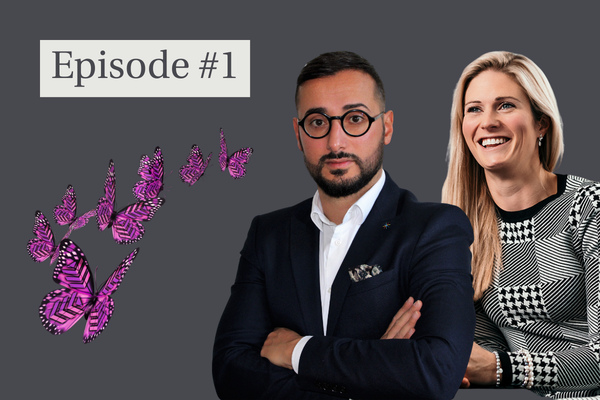
In this episode, JTC Private Office Director Victoria Blackburn is joined by Professor Andrea Calabrò of SDA Bocconi School of Management – an esteemed academic who has helped shape the family business field across Europe, co-founding the Family Business Research Strategic Interest Group and the International Family Business Research Forum. Together, they explore how families can transform inheritance into stewardship and turn legacy into a dynamic, multi-generational advantage.
In This Episode, We Explore:
- Is legacy more than just money?
- The “Next Gen” takeover (values, identity and big ideas!)
- What can people expect from the Family Legacy Monitor?
- How will we turn storytelling into strategic advantage for families?
- Quick fire questions! Fast, fun questions to get to know our guest
Meet our Host and Guest
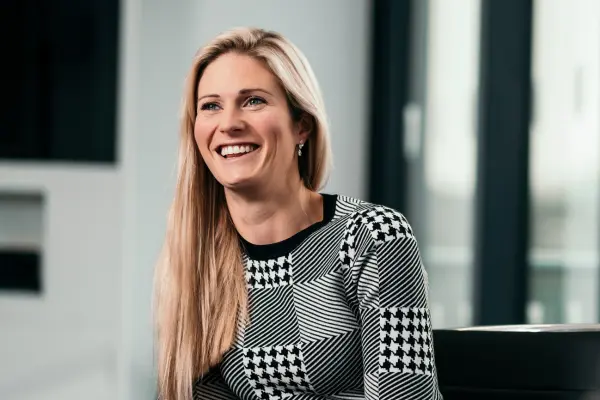
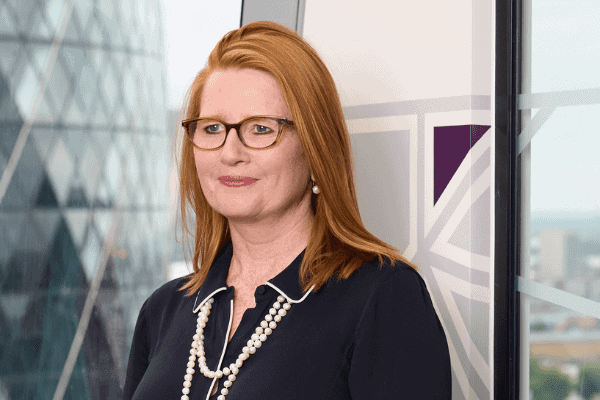
Victoria Blackburn – Host
Victoria returned to JTC in 2018 to contribute to the development of the Private Office, bringing with her over 17 years of experience in the sector. Throughout her career, she has provided expert guidance to UHNW and HNW individuals, as well as both large and boutique family offices. She has lived and worked in the UK, Jersey and Luxembourg, giving her a broad international perspective. Victoria is widely regarded as a true facilitator and delivers solutions for clients even in the most complex and challenging scenarios. Her coordination skills and her capability to execute within tight deadlines are highly valued by both colleagues and clients. Victoria maintains a diverse network and sees potential where others may see only the intangible, establishing her reputation as a genuine visionary. She is a trusted advisor whom clients consistently turn to for guidance across a broad range of matters. Victoria is a specialist in the Luxury Assets space, with a particular emphasis on the Marine and Aviation sectors. She often provides guidance and support with large, multifaceted projects, including the acquisition and disposal of high-value assets and helps clients navigate the complexities of ownership and operation. She is also currently focussed on growing the Private Office’s Next Generation Education offering.
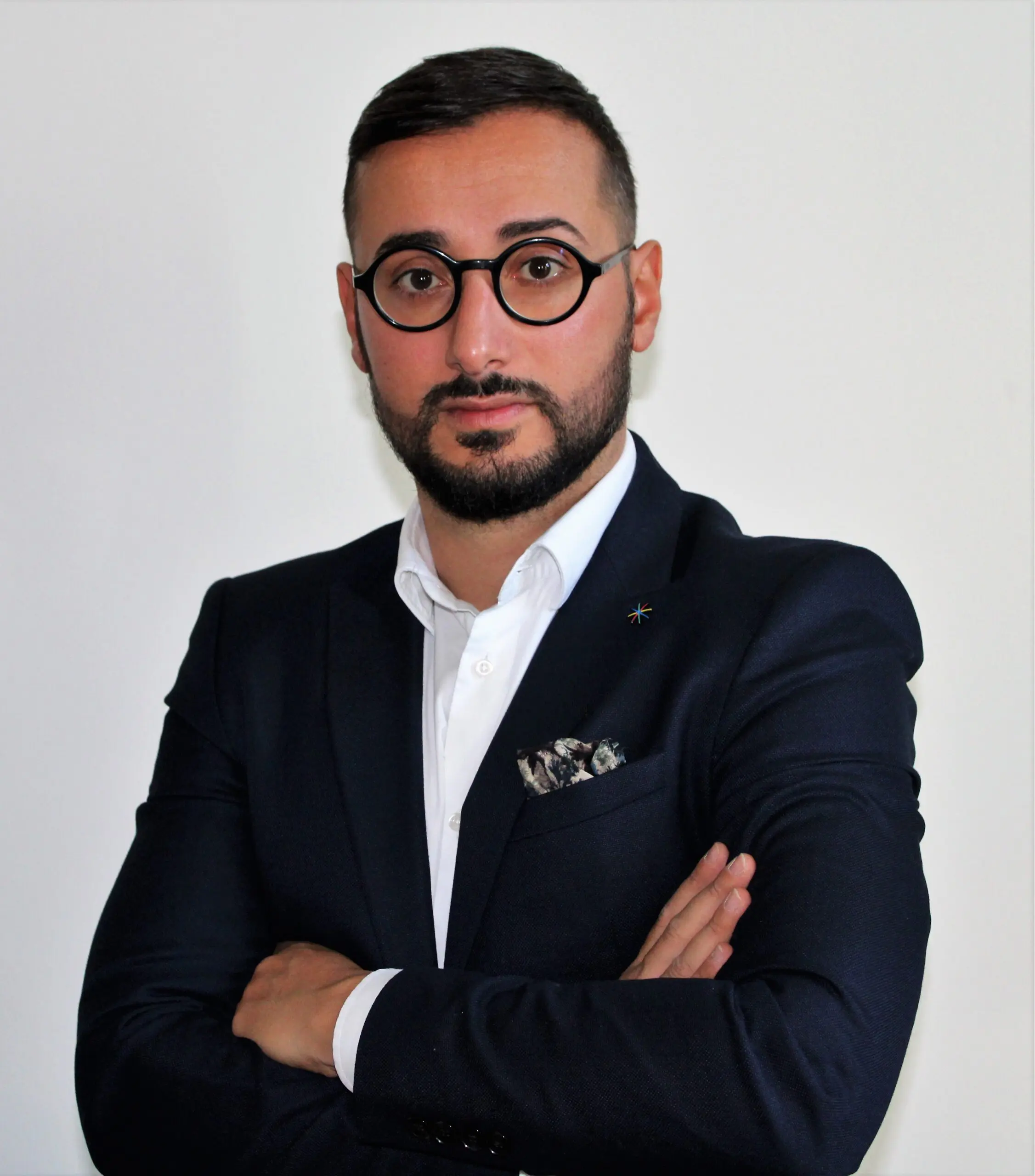
Professor Andrea Calabro – Guest
Andrea Calabrò is Professor of Practice in Family Business & Entrepreneurship at SDA Bocconi. Before joining SDA, he was Director of the Chair of Sustainable Family Business & Entrepreneurship at IPAG Business School, France. He is Global Academic Director of the STEP (Successful Transgenerational Entrepreneurship Practices) Project Global Consortium. He holds a Ph.D. in Management and Governance from the University of Rome Tor Vergata and has been Professor/Chairholder of Business Administration and Family Entrepreneurship at University of Witten/Herdecke (2011-2017). He founded the Family Business Research Strategic Interest Group (FBR SIG) at the European Academy of Management (EURAM) and is founder and organizer of the International Family Business Research Forum (IFBRF). He has published journal articles on family firms, internationalization, and corporate governance in leading international peer-reviewed journals such as: Strategic Management Journal, Entrepreneurship Theory & Practice, Journal of International Business Studies, Family Business Review, Harvard Business Review, Journal of Business Ethics, Corporate Governance: An International Review, and Journal of Business Research. He also has strong expertise in entrepreneurship and in guiding start-ups from inception through development and growth. He serves as advisor and coach for family businesses across different parts of the globe.
Transcript
Victoria: Welcome to today’s show. I’m your host Victoria Blackburn, Director at JTC Private Office. JTC Private Office is a multi award-winning consultancy service from the global service provider JTC Group for high net worth individuals and families focusing on four key areas of family governance, luxury assets, next gen education and relocation services. Our multi-jurisdictional team combines decades of expertise, hands on practical experience held together by true passion for helping families who are often navigating unchartered territory on their journeys of wealth stewardship. Be prepared for authentic, practical and thought provoking conversations delivered with empathy and a sense of humour.
So whether you’re contemplating the start of your own succession planning and wondering where to begin, are curious to drill down on what concepts such as family governance or next gen education really mean or perhaps you want to know what superyacht or aircraft ownership really entails deep down, the great, the bad and the unexpected. Or perhaps you’re an avid globetrotter considering a business or family relocation, we can help explore with you. We’re here to offer fresh insights and simple steps for your family’s unique journey. Tune in for stories, tips and personal insights from our experts and special guests and discover how the stewardship of wealth can become both empowering and accessible for you and your family. Welcome to today’s episode Lasting Legacies.
I’m here with Professor Andrea Calabro of SDA Bocconi School of Management and today we’re exploring something every entrepreneurial family is quietly thinking about. What does legacy actually mean now? We’re not talking fifty years ago, now in a world where wealth, identity and purpose are being redefined by the next generation. Andrea, welcome to the show.
Andrea: Hi, Victoria.
Victoria: Nice to see you. So legacy is evolving. It’s no longer statutes and portraits, it’s about identity, purpose and impact. And two powerhouses are coming together, JTC Private Office who live at the heart of ultra high net worth families and their challenges and SDA Bocconi School of Management, one of the world’s top business schools, consistently ranked in the Financial Times QS and Bloomberg rankings and amongst the few to hold the Triple Crown accreditation. So Andrea, why have you chosen to partner with JTC?
Andrea: Thank you Victoria. So surely JTC is one of the leading partners which works a lot with families around the world to take the right decisions. And of course it’s an organisation that understands complexity, cross border structuring, governance issues, how to manage wealth, how to inherit, how to transform wealth. So in theory, it’s a partner that every ultra high net worth family would like to have. So what we say together is why don’t you join forces to understand better what is going on over there.
Victoria: Thank you, that’s really kind. And for us, this is why we wanted to work with Bocconi as well. SDA Bocconi brings structure, global perspective and that academic rigor that we all need. And when your school is ranked as high as it is between the top five and ten business schools in Europe, families listen, Bocconi helps turn intuition into insights and insight into tools that the next generation can use to help make real decisions. That’s why it’s so important to JTC, this partnership.
So Andrea, what can families and professionals expect in terms of research, education and new thinking from this strategic partnership?
Andrea: Surely we will try to understand better what legacy means. It’s not very clear to most family businesses. When you think about legacy, as you mentioned, you think about portraits, you think about some assets, you think about a family name. But legacy in reality is much more than this, is much more than an asset. We should start, for example, looking at the dimensions of legacy, biological legacy, the importance of blood, inheritance, the name of the family business and the family, material legacy, a token of appreciation, a house, a family holiday house, for example.
We can also look at social legacy, how the owning family is translating and transmitting its value in the society, And also identity legacy. What does it mean for me as a family member to be part of this family business? So we can understand that when we talk about legacy, it’s much more than just an asset. It’s also something that we inherit as next generation, for example, that we need also to carry over. So which is my responsibility?
How can I inherit but also build, nurture, transform something? And when we look at it in a more complex way around legacy, for example, I think what this partnership can bring up to life is to understand how legacy can empower my family business to be long lasting across generations and across time. And what we have started finding in some of the studies is that it’s really important to combine legacy, intensity, how much do you invest in nurturing your legacy, with how much entrepreneurial you are as a family business. And here you can discover that maybe you are stacking on your legacy. It’s too static as an approach.
You are maybe too preservative. Your traditions are conditioning, are constraining your future orientation. But maybe you can be evolving. You are moving from one generation to the other and changing your mindset, or the best will be having a dynamic legacy. So being able to really take the core values that you learned from the previous generation and transport, transform in the next generation to be fit for what is coming next.
So it’s a very fascinating topic.
Victoria: So we’re giving families clarity in a world of noise. The messages from families that we hear they’re overwhelmed with advisers but underwhelmed with insight. And the Family Legacy Monitor which is the joint name for our partnership is our answer. A long term platform where we decode things like what makes a legacy last, why do some transitions fail and how do next gens shape wealth with purpose? So Andrea, what can people expect from our thought leadership hub?
Andrea: Different things, maybe too many as we have planned. The first thing, we would like to work on developing some legacy insights cards, which are cards especially for next generations to try to understand what insights are very important for them to think about building the future of their family business. Not reading 30 pages of a report which can have a lot of value, but focusing on some core messages and reflections. The second thing is we are thinking about producing some legacy leadership reports, short, sharp articles with some practical tools that families can use as reflection assessment on the legacy journey. Storytelling campaign, this is really beautiful.
So the main slogan of this is what do you want to be remembered for? I think this is everything, something every one of us is thinking about, and especially for family business. It’s not only about the business, it’s not only about the money you make, how successful you are, but how are you making a difference? How are you contributing to something and how people, for what will you be remembered for? Is it because of your entrepreneurial drive?
Is it because of an invention you made? Is it because you changed something in someone else’s life. So we believe this is really important. And we are even seeing that in different parts of the world. This is a question that many family businesses, family owners are thinking about.
We just recently talked about the Middle East. How can you as a vibrant emerging economy contribute to the global landscape? So this is something an emerging trend.
Victoria: That’s great. And it’s really interesting what we discussed actually this morning in another meeting about these global trends. And is there anything else, Andrea, that we’re going to do to bring people together as part of this monitor?
Andrea: Surely plenty of things. The objective is to organise in addition to developing content which might be easy accessible and highly reflective for people who read it, of course, is also to have the possibility to use it to connect with others. So it’s the part which is more about engagement and engaging others, like in the legacy dialogues or roundtables which are in safe spaces where we can have next generation members which are expressing their thoughts, their doubts, their fears, their emotions in order to try to understand if someone else lived that that same situation, and we can have a kind of peer coaching, which is advised. And then also some specific events, which we are crafting together with SDA Bocconi and JDC events which have a global outreach with families that could, you know, have used them as a get together and also be inspired by stories, cases, practices, tools and also having the possibility to connect in places that can also stimulate creative thinking.
Victoria: That’s brilliant and it’s so important because I think for sometimes patriarchs, matriarchs, etcetera, it can be quite a lonely place at the top. So we’re sort of catering for them, trying to help them with their next move but as well that the next generation to understand that their story is unique but at the same time it isn’t, there’s lots of other next gens feeling the pressure or just feeling like they need someone to talk to, to find out and navigate their way in this new world. So we want to bring them all together and create that community that’s so important. So Andrea, how will we turn storytelling into a strategic advantage for families?
Andrea: This is a complex process and the first thing starts from creating awareness within those families. Because every family has a story and they have also some beautiful stories, sometimes also difficult. But very few have been able to develop a narrative. So what we are trying to do in this family legacy monitor is supporting family businesses to sense, size, transform their stories into narratives, which could be used as powerful tools to guide the next generation towards the future. And the narrative is what you do with what happened to you.
So it’s a beautiful and powerful tool. It’s about identity, it’s about direction, it’s a cultural glue, it’s about how do you decide in difficult situations, it’s about how you attract others to connect with your firm. Especially nowadays where the new generations, for example, have changed their mindset towards work life balance. Having a family business which clearly explicits their values can be an attractive leverage towards employer branding. So why you should work for us, for example.
And, of course, it helps also to understand where we are going next. If we develop a narrative, this is an entrepreneurial compass that many family businesses can use to navigate towards rough waters, for example.
Victoria: What does legacy mean for today’s high net worths and ultra high net worth families? And how will we redefine this?
Andrea: This is a difficult question and of course there is a lot of research and also data which tries to explain this. But let me clearly say that there is much more that we can do to understand this better. Surely the question to which we need to find an answer to is that what does really the next generation want to achieve? This is about identity clarity, understanding who I am, who the family is, and how I can contribute to it to fulfil its purpose, for example. Having a clear position within the family.
So where do I stay? Where do I sit? Where is my space? And which freedom do I have to make some changes? If there is an opportunity which I would like to follow, do I have the freedom to do that?
Do I have the possibility to reinvent part of the story? Can I build history in this family business? Or am I just seen as a caretaker? So I take what you built and my role is only to protect and get it to the next generations. This is a romantic view about family business, but especially in the current economic and also industry evolution world in which we live right now, it’s not enough.
So this capability to transform, to perceive that something is changing and then to adapt is what next generation needs absolutely to build and to bring in. So I would really advise, and I think what our Family Legacy Monitor should do is to try to provide tools, cases, evidence, but also experiences on how next generation members can be fully integrated within the current family business system, but also at the same time having space to contribute to it, to evolve and to make it adaptable to what is coming next.
Victoria: Yeah, so it sounds like next gens, they want to build, they don’t want to just inherit a family business, they need that element of creativity, they’re not just maintaining, they’re evolving and they need the support from family but maybe from outside like us, like Bocconi to help them on that journey.
Andrea: Yeah, exactly. I think that the paradigm of next generation and wealth management is evolving. It gets from inheritance, as you pointed out, to becoming builders, but we can also move it forward to creators and stewards. It depends also on which are the personal, you know, ambitions that next generation members have. The importance, I think, is to combine all these different things and not only see the family businesses as something that you have to protect.
Of course this is important but at the same time you need to transform your family business to make it fit for the future.
Victoria: So Andrea, it’s not just then about preserving, is it? It’s that transformation piece that’s really key.
Andrea: Absolutely, absolutely. Because when you talk about legacy it’s not only about protecting legacy, it’s about how do you evolve legacy. And more we can go also a step further. It’s not only about growing your business and your family, but it’s also about rethinking your family. What about digital transformation?
What about AI adoptions recently? What about purpose and balance? How much of your time you want to dedicate to yourself, to your family, to the business, to the world. There are different things. So, only thinking about growth, corporate growth, is limited.
We need to think about how to rethink stuff. And then, if we think about the long lasting family businesses around the world, the main learning has been about continuity, how to think about continuity. However, our monitor would need to prove that it’s more than continuity. It’s also about developing an ability to reinvent yourself across
Victoria: It’s evolving as well isn’t it, you know, can’t stay the same, the world moves on so families have got to evolve, businesses have got to evolve and we’ve talked about before, you and I that some family businesses, they started off of one thing and they either sold that business or sold part of it and they’ve gone into something totally different and that’s the way that they survived, you stand still and you don’t survive.
Andrea: Exactly. So
Victoria: we’re gonna go a bit off topic here and it’s something that we do with all our guests to show our more human side. We’re gonna have a quick fire round, completely off topic. I’m not gonna hold you to these answers. I want quick answers. What first thing that comes into your head so it’s not gonna make your legacy, Andrea?
Okay. So what is your favourite film?
Andrea: La Vita Bella.
Victoria: And why?
Andrea: It reminds me of something that really was important in, in our history, you know, as Europeans in the world and, you know, it’s emotional and it reminds me, reminds us about who we are and also what people are capable of, you know? So it’s emotional.
Victoria: Beautiful, emotional. Sounds like you’re back on the legacy part there. Favourite book? This is more difficult. Know it is.
you read so much.
Andrea: That’s write as a professor we write and we read books.
Victoria: Do you actually sleep, Andreas?
Andrea: Yes. It’s several books, but recently it’s more about how to, to last forever as human beings. So I’m reading a lot of stuff about longevity. So how you can, you know, get to work life balance, intermittent fasting. So books that really help you to find your balance as a person.
So it’s not related to company and not related to, you know, family business directly.
Victoria: That’s great. I’m gonna ask you for a synopsis of that one, so thank you for that. And favourite meal or dish? And I think this is quite an interesting question to an Italian. Favourite dish?
Andrea: Several, but I would really say very stereotyped spaghetti with meatballs.
Victoria: Oh, love it. Traditional. And is there any food that you really hate?
Andrea: Not possible for me because my grandmother taught me that you have to eat all what is served. So you have no possibility to dislike something.
Victoria: That’s the same as I say to my children, if you go around to someone else’s house, I don’t care if you don’t like it, just eat it, okay? Habit of another person that annoys you the most. So this is general habit, just something, anything that annoys you, noise, movements, whatever.
Andrea: When someone is not listening. So this can…
Victoria: Your children?
Andrea: The children I accept. They are they are it’s in the DNA of children to not listen. You know?
Victoria: I was gonna say, might be mine particularly.
Andrea: I mean, more among among adult people. So when when you don’t listen. And I think that probably listening is something we need to develop, all of us, you know? Listen more, speak less,
Victoria: reflect We more, have a friend of ours who’s got a fantastic phrase and I say it to my children all the time, two ears, one mouth. That’s a precaution you need to use it in.
Andrea: Nice.
Victoria: Place that you feel most content. So it could be a particular place in your house or a country or on a holiday?
Andrea: I’ve lived in many places and I adapt easily but if I would need to think about something specific I would tell you August every year at least one week in South Italy at my parents’ place. So this is where I would always like to be in that time of the year.
Victoria: Perfect. And thing that you’re most proud of yourself for?
Andrea: That’s always difficult.
Victoria: That’s a good question.
Andrea: I’m very proud about my family, the kids, so this is nice when I think about that. But also about my professional expertise and the possibility to talk to work with so important families around the world and to feel that you can help somehow, that what you do has a meaning that can help.
Victoria: Makes a difference.
Andrea: I feel proud about that.
Victoria: Big thank you Andrea for joining us today.
Andrea: Thank you Victoria.
Victoria: And thank you to our audience as well for listening. Now if today’s made you think about your own family story, imagine what a structured platform like the Family Legacy Monitor could do. Join us as we help families shift from legacy as a burden to legacy as a strategic advantage. Follow, like, share and reach out to us if you want to join the conversation. Details of how you can contact us will be in our show notes.
So thank you again and tune into the next show.
Stay Connected
Stay up to date with expert insights, latest updates and exclusive content.
Discover more
Stay informed with JTC’s latest news, reports, thought leadership, and industry insights.

Let’s Bring Your Vision to Life
From 2,500 employee owners to 14,000+ clients, our journey is marked by stability and success.