













Planning Without Heirs: Protecting Your Legacy & Wishes

We read with interest the recent article published in eprivateclient, featuring research by Killik & Co on childless individuals and the estate planning they have (or more accurately DON’T have) in place. Some of the statistics cited were nothing short of frightening – nearly two thirds (61%) of respondents do not have a will, and an overwhelming majority (86%) have no Lasting Power of Attorney in place. Here are a few thoughts about the reasons behind these quite disturbing numbers.

1. Why do many child-free individuals delay or avoid estate planning?

It’s human nature to avoid thinking about our own mortality. Many people simply don’t want to confront the end of their lives. For some people, even a brief discussion about their eventual demise can spark anxiety, as if the topic might hasten or trigger it! While the Covid pandemic prompted a broader recognition of the need for succession planning, that urgency is often driven by the prospect of leaving something to the next generation. For those without children, this motivation is naturally absent, which can lead to planning being overlooked or postponed. It’s important to remember that a will isn’t set in stone. It can be changed or rescinded easily to reflect changing circumstances and wishes. Ideally a will should be reviewed regularly to ensure it is fit for purpose and remains a living document. Taking a proactive, pragmatic approach will generally create a more positive mindset around the whole topic.

2. What kind of ‘legacy’ do childless individuals typically consider?

Legacy is a deeply personal concept and means different things to different people. For child-free individuals, legacies often centre on philanthropy, for example the desire to establish charitable foundations, fund hospital projects or research, support the arts or create scholarships and endowments at institutions that hold a significance for that individual. There’s often a desire to be remembered positively or to protect a family name, but for someone without direct descendants, it becomes especially important to create structures or utilise collective schemes (such as donor funds) that ensure their wealth supports causes they care about.

Inadequate planning can also lead to disputes when extended family members have expectations that aren’t met, damaging relationships and causing unnecessary distress and costly legal challenges. All this can detract from what should have been a positive legacy. Take for example extended family members who are expecting to receive a percentage of a founder’s shares given their own continued work and support within the same business. They then find they receive nothing. This can leave a rather sour taste, and sentiments harden against a previously revered auntie or uncle. Open communication manages expectations for loved ones; forward planning protects legacies and helps ensure intentions are fulfilled.

3. What are the risks for childless individuals who neglect estate planning?

Without a will or proper estate planning, wealthy individuals without children may be particularly exposed to risks. With no obvious heirs, the likelihood of their estate being distributed according to intestacy laws, instead of reflecting their true wishes, increases. They’re also less likely to have structured their affairs in a way that will take advantage of the available inheritance tax (IHT) reliefs.

We’ve seen busy executives – even trustees – neglect their own personal planning, somehow failing to apply the same diligence they dedicate to their businesses to their private affairs. Personal and business worlds are intimately linked; lack of good succession planning can devastate not only families but also business value. This can undermine everything they have worked for.

Those who have accumulated significant wealth sometimes struggle with guilt or uncertainty. It’s surprisingly common for them to feel overwhelmed about what to do or whom to trust, which is where a professional advisor can help. An advisor can act a sounding board and is a means to help curate the legacy an individual seeks and deserves.

4. Why are Lasting Powers of Attorney (LPAs) especially important for child-free individuals?

Given rising life expectancies, and with mental incapacity – such as dementia – on the increase (the number of people living with dementia is expected to jump from 57 million today to 83 million by 2030*), LPAs are more crucial than ever. For those without children to step in and help manage their affairs, a pre-arranged LPA ensures trusted individuals or professionals can make decisions in their best interests if they lose capacity. In the UK, this is not automatic and requires proactive planning, so awareness and early action are vital.

How can JTC help?

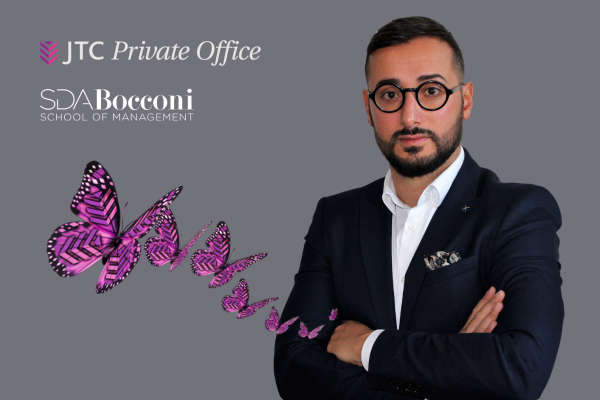
JTC is ideally positioned to support child-free families and individuals. JTC Private Office recently established a formal partnership with SDA Bocconi School of Management to promote greater understanding and insights around legacy building for global wealthy families and individuals.

We can take a proactive role in initiating conversations around ageing, incapacity and responsible wealth stewardship. Through guided conversations, we can coordinate the curation of legacy planning, connecting you with the right specialists to draft meaningful and relevant wills, create appropriate philanthropic vehicles or learn how to access other relevant options. Together we can help clients leave a meaningful legacy, protect their assets and avoid unnecessary costs.

*Source ALZinfo.org

IMPORTANT INFORMATION: The content of this article is intended for general information purposes only. It does not constitute, should not be interpreted as constituting and cannot be relied upon as providing (i) legal, investment or tax advice or any other form of professional advice, (ii) an offer to sell, a solicitation of an offer to buy, or a recommendation of any service or any other product or service regardless of whether such security, product or service is referenced in this article. JTC has sought to ensure that the information provided in the article is adequate, accurate and complete as at the time of publication but offers no assertion or warranty as to its adequacy, accuracy or completeness either at the time of publication or thereafter. No responsibility or liability will be accepted for any losses resulting from reliance placed upon the content of this article.

Key contact

Stay Connected

Stay up to date with expert insights, latest updates and exclusive content.

Let’s Bring Your Vision to Life

From 2,300 employee owners to 14,000+ clients, our journey is marked by stability and success.