












Secondaries Surge: Private Equity’s Hottest Market

Private capital secondaries are thriving, with transaction volumes hitting a new record $160 billion last year, [1] whilst at the same time fund closes are also on the rise, trends that both look set to continue as we move into 2026.

But, if General Partners (GPs) and Limited Partners (LPs) are to navigate the intricacies of the rapidly expanding, and at times incredibly complex, secondaries market, then they will need to think carefully about their service provider choices.


The secondaries market – right time, right place

In stark contrast to private capital strategies, e.g. private equity, which have been suffering from a prolonged fundraising drought caused by the tighter borrowing conditions and inflationary pressures, the secondaries market is going from strength to strength.

Not only are transaction volumes breaking all sorts of records, but flows into private equity secondaries funds are also on the up. Between January 2020 – December 2024, secondaries funds accumulated $522.5 billion – a 10.3% increase on last year’s total of $473.8 billion. [2]

Amongst the high-profile fundraisers were Ardian, which at the beginning of 2025 held a final EUR 30 billion close of its ninth secondaries fund – and in the process became the largest private equity secondaries fund ever, according to Preqin.[3]

Secondaries are in demand for several reasons – with the most significant driver being the tepid deal activity in traditional private equity circles.

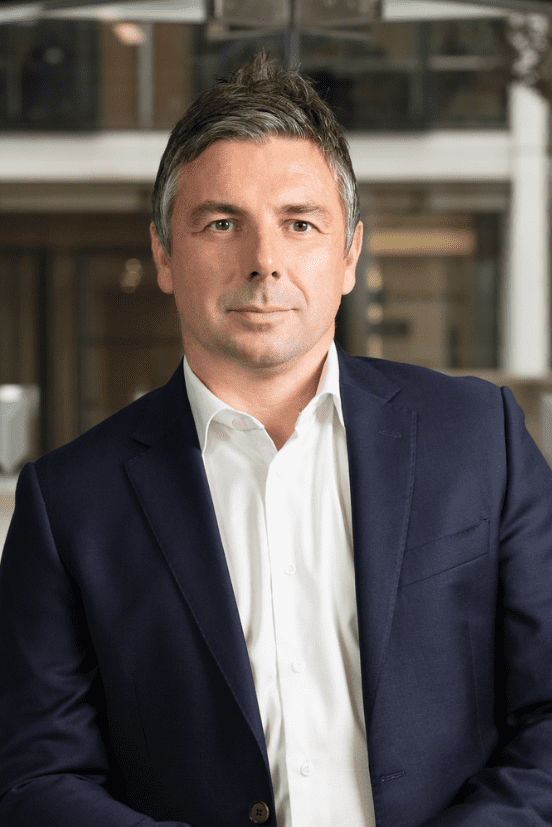
“Conventional private equity exit routes – namely M&A and IPOs – have been waylaid by the high interest rate and inflationary environment.  With managers holding onto assets for longer and LPs seeing reduced distributions, LPs are looking to package up their primary positions and make use of the secondaries market,” according to Alan Baird, Head of Fund Services – Jersey.

Not only do secondaries enable LPs to access much needed liquidity to make investments elsewhere, secondaries also allow allocators to achieve better diversification, e.g.  by rebalancing their portfolios away from alternatives, mitigate J-Curve risk e.g. the period when private market funds are in the negative, and obtain attractive risk-adjusted returns.

Unless the macro environment changes markedly, (e.g. interest rates fall back to their historic post-GFC lows), secondaries are only going to become more popular.

“As things stand, the secondaries market is on course to keep growing at its current pace, with some forecasting that transaction volumes could rise to anywhere between $500 billion – $1 trillion by 2030,” added Baird.


Choosing the right partner

Interest in the secondaries market is soaring, but working with a quality service provider is critical for GPs and LPs, given the market’s idiosyncrasies and complexities, e.g. its illiquidity, the challenges involved with valuing the underlying assets, etc.

“When choosing a provider, firms need to check a few boxes. They need to verify the provider is up to speed with the changing market dynamics and has best in class systems and technology infrastructure. This will help ensure that they can support niche fund structures and asset classes. As part of its wider fund servicing remit, JTC is investing heavily into its fund platforms, so it can support a wide range of asset classes and managers – including secondaries – across multiple geographical locations,” said Baird.

This frees up GPs and LPs to focus their resources on return generation rather than dealing with mundane operational and regulatory compliance obligations.

JTC combines decades of experience with a deep understanding of illiquid asset classes and fund structures across the spectrum. From setup through to ongoing administration, JTC supports managers with their operations, compliance needs and investor reporting.


Secondaries Explained

Secondary funds (often called secondaries) are investment vehicles that buy existing stakes in private equity funds or portfolios of private companies from other investors, rather than investing directly into new deals (known as primaries).

Secondaries typically fall into one of three camps:

  1. LP-led secondary: This involves an LP selling their stake in a fund to another investor
  2. GP-led secondary: A GP sells a portfolio company to a secondary investor, allowing an LP to exit their position
  3. Continuation fund transaction: This involves an LP selling an asset to a continuation vehicle operated by the same private equity fund. Such transactions occur if there is a need to inject cash into an asset, extend the lifecycle of an asset or simply provide LPs with an exit.

This article first appeared in Business Brief.


[1] Evercore – February 2025 – FY 2024 Secondary Market Review

[2] Private Equity International – September 1, 2025 – The secondaries Investor 50: 2025

[3] Preqin – January 28, 2025 – Secondaries in 2025: The outlook for deals, fundraisings and performance

[4] Ropes & Gray – April 8, 2025 – Legal Lingo: What is a secondaries transaction?

Key contact

Stay Connected

Stay up to date with expert insights, latest updates and exclusive content.

Let’s Bring Your Vision to Life

From 2,300 employee owners to 14,000+ clients, our journey is marked by stability and success.