












Close

More Than Just Real Estate: What EB-5 Projects Actually Fund

Thanks in part to the incentives of the RIA, EB-5 has been able to fund projects in health care, green energy, and other sectors that aid not only local communities, but the U.S. national interest.

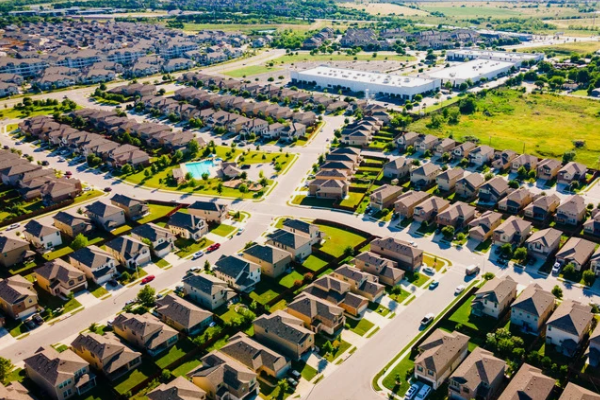
One of the most persistent misconceptions about EB-5 projects is that it is only used for funding luxury housing or commercial real estate in affluent urban areas. For many years, EB-5 has helped finance a wide range of projects, and the incentives of the EB-5 Reform and Integrity Act of 2022 (RIA) have only improved the program’s ability to help rural communities and those with high unemployment rates.

EB-5 has been home to plenty of success stories, and by chronicling some of the varied EB-5 projects that have generated economic activity, helped immigrant investors get their green cards, and created jobs, we can see how a range of American industries benefit from a program that is often misunderstood. Here are just a few of the different sectors that EB-5 has impacted over the years.

Healthcare

When people think of real estate and construction, they often think of houses, condominiums, or office buildings. But the same financing structures can also be used for EB-5 project financing for healthcare facilities. John R. Oishei Children’s Hospital in Buffalo, NY, and DOCS Surgical Hospital in Los Angeles were both financed with EB-5 capital. In addition, substance abuse treatment centers in New York, Colorado, and many other states have been built and modernized using EB-5 funds.

This sector demonstrates how EB-5 examples solve real operational challenges: healthcare expansion requires substantial upfront capital, and EB-5 bridges the gap when traditional financing falls short.

Senior Care

Senior housing presents specific financial challenges due to the increased operational costs tied to specialized resident care. EB-5 capital can help make the numbers work so that projects can move forward. That’s how developers have been able to fund senior living projects in Florida, Arizona, North Carolina, and other states, along with specialized facilities like memory care facilities.

Education

American universities and K-12 schools face persistent funding gaps for facility upgrades. EB-5-funded education projects span:

  • At the university level, EB-5 can be used to revitalize college campuses, the creation of student housing, and buildings for research facilities.
  • At the K-12 level, charter schools have benefited from EB-5 capital for the construction of brand-new schools with modern classrooms and equipment.

Manufacturing and Strategic Industries

EB-5 manufacturing projects have modernized U.S. industrial capacity where other funding initiatives stalled. Examples include: A plant in Bulloch County, GA, developing parts for Hyundai automobile parts, creating hundreds of jobs in a rural area.

EB-5 financing has also been used to fund a plant for plumbing and heating components in Rhode Island. And in Pennsylvania, EB-5 financed a polysilicon facility, the expansion of a copper facility, and a number of other industrial sites that brought jobs to the state. Projects like a steel plant in Arkansas would likely never have proceeded without EB-5 capital.

For declining industrial regions, EB-5 project examples in manufacturing often represent the difference between economic revitalization and further decline.

Technology & Infrastructure

The need for modernization extends to the technology sector, where America needs to keep pace with the rest of the world, which it can do thanks to developments like the Global Water Center in Milwaukee and the enhancement of energy infrastructure in Pennsylvania. EB-5 infrastructure projects have also helped build bridges in New York and Seattle, airport buildings in Hawaii, a marine terminal on Staten Island, and ports like the Philadelphia Navy Yard.

Since the RIA established reserved visas for qualifying infrastructure projects, there is even more incentive to pursue public-private partnerships, and hopefully over the next few years we will see successful EB-5 infrastructure projects reaching completion.

Rural Broadband

The RIA also established reserved visas for rural projects, bringing more investment than ever before to communities that have traditionally struggled to attract capital. One way this has benefited rural communities is by the expansion of EB-5 rural broadband, which can help connect remote areas of the country to workforce participation in the remote-work economy, a critical development for rural retention and economic sustainability.

Mining and Strategic Metals

For our technological future, strategic metals and energy future, EB-5 mining projects play a strategic role. Lithium and cobalt projects have relied on EB-5 financing projects that are driving the production of new technologies and green energy. To overcome initial funding gaps, ensuring domestic supply chains for batteries, semiconductors, and renewable energy components.

Energy

Our energy future will require a wide range of sources, all of which can draw on EB-5 investment for the exploration, extraction, and processing facilities necessary for their production and use. This can include biodiesel, oil and natural gas, photovoltaic cells & solar, fast-charge batteries, ethanol, geothermal, wind, hydrogen, and more. By incorporating EB-5 capital, American energy producers can diversify into multiple energy sources, positioning the U.S. competitively in the global clean energy market.

Conclusion: EB-5’s True Economic Impact

EB-5 has always had an exposure problem; the average person doesn’t hear about the program except when something goes wrong. But since the RIA has weeded out fraud and abuse that caused issues in the past, it’s time to get the public’s focus on all the positives the program has brought.

This is especially true as we fight for reauthorization of the Regional Center Program. EB-5 not only creates jobs and economic activity in previously neglected rural areas but funds critical infrastructure, healthcare, education, and manufacturing capacity that serve the national interest.

Telling the stories of successful EB-5 projects can help us remind Congress of the good this program can do and why it should be a permanent part of our immigration system.

Key Takeaways

  • EB-5 funds far more than luxury real estate—healthcare, manufacturing, energy, and infrastructure projects rely on this capital
  • The RIA (2022) introduced reserved visas for infrastructure and rural projects, directing investment to underserved areas
  • Strategic metals, broadband, and renewable energy are among the fastest-growing EB-5 sectors post-RIA
  • A single EB-5 project can generate hundreds of jobs and billions in economic activity in rural or declining communities


Why the EB-5 Regional Center Program should be made permanent


FAQ: EB-5 Projects Beyond Real Estate

What percentage of EB-5 capital goes to non-real-estate sectors?

Since the RIA, infrastructure and rural projects have captured an increasing share of EB-5 investment. While real estate remains significant, manufacturing, energy, and healthcare now represent substantial portions of the pipeline.

Are non-real-estate EB-5 projects riskier?

Not necessarily. Infrastructure and manufacturing projects often have long-term contracts and predictable revenue streams, sometimes reducing risk compared to speculative real estate development.

How does the RIA help non-traditional EB-5 projects?

Reserved visas for infrastructure and rural projects reduce approval timelines, improve investor certainty, and increase regional center participation in underserved sectors.

What's the job creation impact of EB-5 projects outside real estate?

Manufacturing, energy, and infrastructure projects often generate higher job-per-capital ratios than real estate. A single manufacturing facility can create hundreds of permanent jobs.

Navigate your EB-5 Projects

From infrastructure due diligence to rural project assessment, we provide the frameworks regional centers and investors use to make confident capital allocation decisions.

Navigate your EB-5 Projects

From infrastructure due diligence to rural project assessment, we provide the frameworks regional centers and investors use to make confident capital allocation decisions.

Stay Connected

Stay up to date with expert insights, latest updates and exclusive content.

Let’s Bring Your Vision to Life

From 2,500 employee owners to 14,000+ clients, our journey is marked by stability and success.